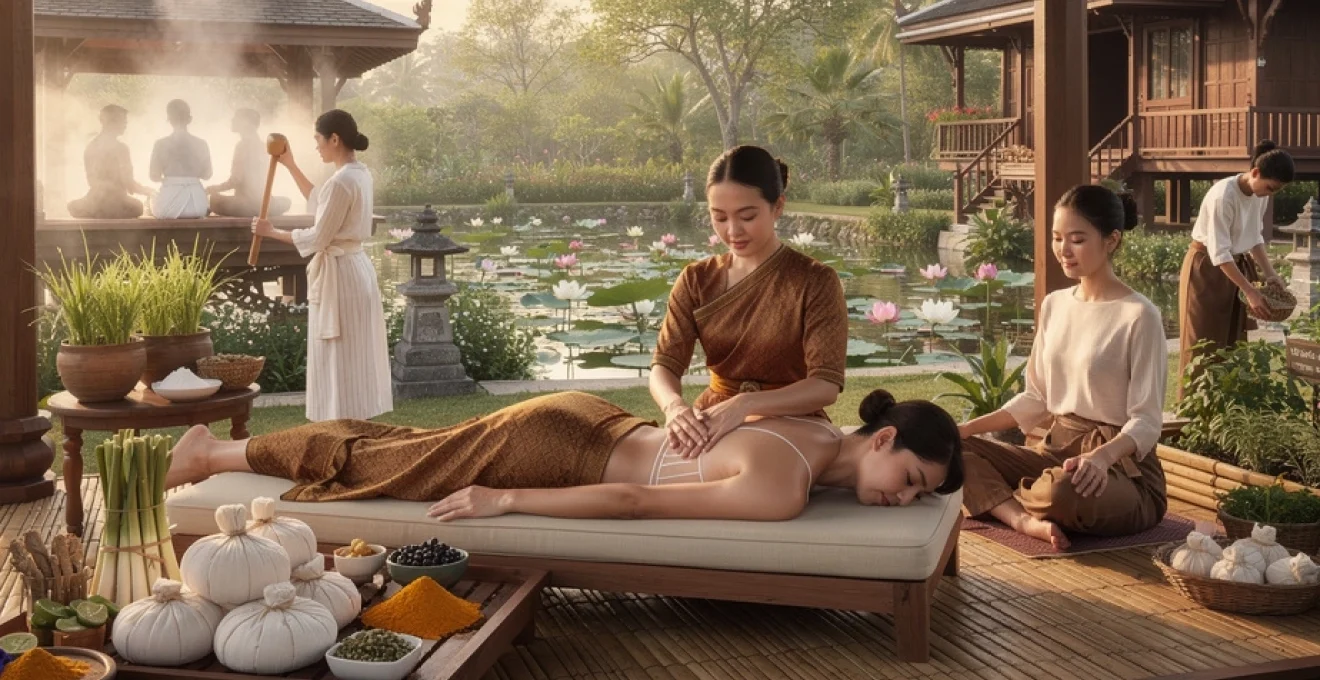
Thailand’s wellness industry has emerged as a global leader in holistic healing, attracting millions of international visitors seeking authentic therapeutic experiences. Unlike Western spa resorts that often prioritise luxury amenities over genuine healing practices, traditional Thai wellness centres integrate centuries-old medical wisdom with contemporary scientific understanding. This unique fusion creates transformative environments where ancient Buddhist philosophies, traditional medicine principles, and indigenous healing modalities converge to address physical, mental, and spiritual wellbeing simultaneously.
The distinguishing factor lies not merely in exotic treatments or tropical settings, but in the profound cultural immersion and systematic approach to healing that these establishments offer. From the architectural design inspired by sacred geometry to the carefully curated herbal formulations sourced from royal botanical gardens, every element serves a specific therapeutic purpose rooted in traditional Thai healing paradigms.
Ancient thai healing philosophies integrated in contemporary resort frameworks
Traditional Thai wellness resorts distinguish themselves by seamlessly weaving ancient healing philosophies into modern therapeutic frameworks. This integration extends far beyond superficial cultural decorations to encompass fundamental treatment principles that have guided Thai healers for over 2,500 years. The foundation rests upon the concept of maintaining equilibrium between the body’s four primary elements: earth, water, wind, and fire, which correspond directly to different physiological systems and emotional states.
The essence of traditional Thai healing lies in understanding that true wellness emerges from harmonising the physical body with mental clarity and spiritual awareness, creating a unified approach to human health that Western medicine is only beginning to appreciate.
Traditional thai medicine principles and doshas balance implementation
Thai medicine practitioners at leading wellness resorts employ sophisticated diagnostic techniques that examine pulse quality, tongue appearance, and energy flow patterns to determine individual constitutional imbalances. This assessment process draws heavily from Ayurvedic principles while incorporating unique Thai interpretations of the three doshas: Vata (wind), Pitta (fire), and Kapha (earth/water). Resort practitioners create personalised treatment protocols that address specific constitutional needs through customised herbal formulations, therapeutic massage sequences, and dietary recommendations.
The implementation process typically begins with a comprehensive consultation where experienced practitioners evaluate your physical constitution, emotional tendencies, and current health challenges. This information forms the basis for selecting appropriate therapeutic modalities, from specific massage techniques targeting particular sen energy lines to herbal steam treatments designed to balance your dominant dosha. The systematic approach ensures that treatments work synergistically rather than as isolated interventions.
Buddhist mindfulness integration through vipassana meditation programmes
Leading Thai wellness resorts incorporate authentic Vipassana meditation practices that extend beyond simple relaxation techniques to cultivate deep introspective awareness. These programmes often include early morning sitting sessions, walking meditation through specially designed garden paths, and evening dharma discussions led by resident monks or experienced lay teachers. The practice emphasises developing mindful awareness of bodily sensations, emotional states, and mental processes without judgement or attachment.
Participants engage in structured meditation retreats ranging from three-day introductory programmes to intensive 10-day silent retreats. The curriculum includes breath awareness training, body scanning techniques, and loving-kindness meditation practices that research has shown to reduce cortisol levels, improve immune function, and enhance emotional regulation. These programmes provide practical tools for maintaining mental clarity and emotional balance long after departing the resort environment.
Ayurvedic-thai fusion protocols for constitutional assessment
The fusion of Ayurvedic diagnostic principles with traditional Thai healing creates uniquely comprehensive assessment protocols that examine multiple layers of human constitution. Practitioners evaluate not only physical symptoms but also emotional patterns, sleep quality, digestive function, and energy levels throughout different times of day. This holistic assessment approach enables the development of highly personalised treatment strategies that address root causes rather than merely managing symptoms.
The assessment process includes detailed questionnaires covering lifestyle habits, stress patterns, and health history, combined with physical examinations of pulse quality, skin texture, and energy flow along sen lines. Based on these findings, practitioners design integrated treatment plans incorporating specific massage techniques, herbal preparations, dietary modifications, and lifestyle recommendations tailored to individual constitutional needs. This systematic approach ensures optimal therapeutic outcomes while minimising potential adverse reactions.
Royal thai court wellness traditions adapted for
Royal thai court wellness traditions adapted for modern practitioners
Many traditional Thai wellness resorts draw direct inspiration from royal court healing traditions that were once reserved for nobility. These protocols emphasised preventative care, graceful ageing, and the maintenance of vitality for those carrying high social and political responsibilities. Today, these refined techniques are adapted into signature programmes that blend precise therapeutic touch, herbal pharmacology, and ritualised relaxation designed for modern leaders, executives, and high performers experiencing chronic stress.
Resorts often recreate elements of the royal bathing rituals, aromatic oil massages, and energy-balancing ceremonies that were historically documented in palace medical texts. Treatments such as royal Thai massage sequences, herbal poultice applications, and gold-infused facial therapies are delivered with choreographed precision, reflecting the meticulous standards of court physicians. By translating these once-exclusive practices into accessible, evidence-informed protocols, contemporary Thai wellness centres offer guests an experience that feels both deeply traditional and highly relevant to modern lifestyles.
Specialised therapeutic modalities exclusive to thai wellness centres
One of the most compelling aspects of traditional Thai wellness resorts is their access to specialised therapeutic modalities that are rarely found in mainstream spas. These interventions are not simply add-on services; they form an integrated therapeutic ecosystem grounded in traditional Thai medicine, Buddhist philosophy, and local craftsmanship. When combined within a curated wellness programme, they create a multi-layered healing experience that addresses muscular tension, energetic stagnation, and emotional stress simultaneously.
Rather than offering generic massages and facials, Thai wellness centres focus on targeted methods that have been refined over generations and, more recently, examined through modern research. Many resorts employ licensed traditional doctors and highly trained therapists who undergo thousands of hours of supervised practice. As a result, the quality of touch, the accuracy of energy line work, and the intentional use of herbal medicine far exceed what most travellers encounter in conventional wellness settings.
Nuad thai traditional massage techniques and sen energy lines manipulation
Nuad Thai, or traditional Thai massage, is the cornerstone of many holistic healing programmes in Thailand. Unlike Western oil-based massages, Nuad Thai is typically performed on a floor mat with the recipient fully clothed, allowing the therapist to use hands, elbows, knees, and feet to apply rhythmic pressure along sen energy lines. These sen pathways, comparable in some ways to meridians in Chinese medicine, are believed to govern the flow of vital life force throughout the body.
Therapists combine acupressure, assisted yoga-like stretching, and joint mobilisation to release muscular tension and restore energetic harmony. Research published in regional medical journals has shown that traditional Thai massage can significantly reduce musculoskeletal pain, improve range of motion, and lower stress biomarkers such as cortisol. For guests, the experience often feels like a dynamic blend of bodywork and moving meditation, leaving them both relaxed and invigorated. When incorporated into a structured retreat, Nuad Thai becomes a powerful tool for resetting posture, improving circulation, and enhancing overall resilience.
Herbal steam therapy using indigenous plai and lemongrass formulations
Herbal steam therapy, frequently offered in dedicated steam caves or wooden cabins, is another signature modality of Thai wellness resorts. Using bundles of indigenous herbs such as plai (Zingiber cassumunar), lemongrass, kaffir lime leaves, and camphor, therapists create aromatic steam that gently opens the pores and supports the body’s natural detoxification pathways. Plai, a close relative of ginger, is highly valued for its anti-inflammatory and analgesic properties, making it especially beneficial for guests with joint stiffness or chronic pain.
During a typical session, you sit or recline in a warm, herb-scented environment that encourages deep breathing and relaxation. The combination of moist heat and volatile plant compounds supports respiratory health, eases muscular tightness, and calms the nervous system. Many resorts integrate herbal steam sessions before massage or bodywork to soften tissues and enhance therapeutic outcomes. For those seeking holistic detoxification, herbal steam therapy provides a gentle, non-invasive complement to dietary and lifestyle interventions.
Tok sen rhythmic tapping therapy for fascia release and energy flow
Tok Sen is a distinctive Northern Thai therapy that uses a small wooden mallet and wedge, traditionally carved from tamarind or teak, to deliver rhythmic tapping along the sen lines. At first glance, the method may appear unusual, but its purpose is highly sophisticated: to transmit vibrational energy through the fascia and deeper muscular layers, helping to dissolve adhesions and clear energetic blockages. Imagine it as a form of “vibrational acupuncture” without needles, using sound and resonance instead.
Practitioners are trained to adjust tapping pressure, speed, and rhythm according to your comfort level and therapeutic needs. Guests often describe the sensation as both grounding and surprisingly soothing, with many reporting improved mobility and decreased pain after a series of sessions. In traditional contexts, Tok Sen was used to support farmers and labourers who performed heavy physical work; in modern wellness resorts, it is often recommended for office workers, athletes, and anyone experiencing chronic tension from repetitive strain or poor posture.
Thai herbal compress treatments with turmeric and kaffir lime applications
Thai herbal compress therapy, known as Luk Pra Kob, combines heat, herbal medicine, and massage into one deeply nurturing treatment. Compresses are typically filled with herbs such as turmeric, kaffir lime rind, lemongrass, camphor, and tamarind leaves, then steamed until warm and fragrant. Therapists press and roll these herbal bundles along muscles and joints, allowing heat and essential oils to penetrate the tissues and stimulate circulation.
Turmeric provides potent anti-inflammatory benefits, while kaffir lime offers antimicrobial and mood-lifting properties through its bright, citrus aroma. The synergy of herbal constituents can help relieve muscle soreness, support lymphatic flow, and encourage relaxation at a cellular level. Many Thai wellness resorts incorporate herbal compress therapy into recovery programmes for burnout, post-travel fatigue, or sports-related stiffness, making it an ideal adjunct to both traditional massage and modern physiotherapy.
Indigenous plant medicine and phytotherapy applications
Beyond bodywork, traditional Thai wellness resorts distinguish themselves through sophisticated use of indigenous plant medicine. Thailand’s biodiversity and long history of herbalism have generated a pharmacopeia of roots, leaves, barks, and flowers used to treat everything from digestive upset to anxiety and chronic inflammation. In contemporary resorts, this knowledge is translated into carefully formulated teas, tinctures, poultices, and topical balms, often prepared on-site using organic or wildcrafted ingredients.
While some herbs are used in daily tonic beverages, others appear in specialised detox, immune-boosting, or stress-relief protocols designed by traditional Thai medicine doctors. Increasingly, these phytotherapeutic applications are being cross-referenced with modern pharmacological research, giving guests greater confidence in both their safety and efficacy. For travellers seeking natural solutions to common health issues, this integration of folk wisdom and scientific validation is a major reason Thai wellness resorts stand out in the global holistic healing landscape.
Kratom and ya hom traditional herbal remedy integration
Kratom (Mitragyna speciosa) has a long-standing, though carefully regulated, place in traditional Thai herbal practice. Historically, it was used by labourers in modest amounts to combat fatigue and minor pain. In a modern resort context, however, reputable wellness centres approach kratom with caution and responsibility, if they use it at all, due to varying legal frameworks and safety concerns. When integrated, it is generally offered under strict supervision, in low-dose formulations, and often combined with other herbs to support gentle analgesic and adaptogenic effects.
More commonly, resorts turn to Ya Hom, a traditional Thai herbal formula typically available as powders, liquids, or lozenges. Ya Hom blends multiple aromatic herbs, such as clove, cinnamon, nutmeg, and menthol-containing plants, to address dizziness, faintness, and digestive discomfort. Within holistic programmes, Ya Hom may be recommended for guests experiencing travel-related fatigue, mild nausea, or circulatory sluggishness. By pairing these remedies with lifestyle guidance and bodywork, practitioners support both immediate symptom relief and longer-term constitutional balance.
Moringa oleifera and holy basil detoxification protocols
Moringa oleifera, often called the “miracle tree,” is widely used in Thai wellness for its dense nutritional profile and antioxidant capacity. Leaves are rich in vitamins A, C, and E, as well as minerals and phytonutrients that support liver function and cellular repair. Resorts frequently incorporate moringa into detox juices, herbal teas, and culinary dishes, especially in programmes aimed at restoring vitality after burnout or prolonged stress.
Holy basil (Tulsi), revered in both Ayurvedic and Thai traditions, acts as an adaptogen that helps the body modulate stress responses and stabilise energy levels. In detoxification protocols, holy basil tea or tinctures may be paired with moringa to support both nervous system balance and metabolic cleansing. For guests who have relied heavily on caffeine, alcohol, or processed foods, these herbs offer a gentle, plant-based bridge toward a more sustainable and supportive lifestyle, reducing withdrawal symptoms while enhancing mental clarity.
Butterfly pea flower and galangal anti-inflammatory treatments
The vibrant butterfly pea flower (Clitoria ternatea) has become a visual symbol of Thai herbal culture, known for turning teas and tonics a distinctive indigo-blue hue. Beyond its aesthetic appeal, butterfly pea is rich in anthocyanins, compounds associated with antioxidant and potential neuroprotective effects. Wellness resorts use it in calming evening infusions designed to promote relaxation, support cognitive function, and reduce oxidative stress induced by long-term mental overload.
Galangal, a close relative of ginger, is another cornerstone of Thai phytotherapy. With its warming, pungent profile, galangal supports digestion, circulation, and respiratory health while offering notable anti-inflammatory action. Resorts incorporate galangal in soups, decoctions, and topical liniments used in massage or compress therapies for joint pain. When combined in an anti-inflammatory protocol – perhaps alongside turmeric, lemongrass, and butterfly pea – these botanicals provide a multi-dimensional, food-as-medicine approach to reducing systemic inflammation and improving overall wellbeing.
Royal project organic herb cultivation for therapeutic applications
Many high-calibre Thai wellness resorts collaborate with the Royal Project initiatives, which were originally established to support sustainable agriculture in Northern Thailand. These projects focus on organic cultivation of herbs, vegetables, and fruits, replacing former opium-growing regions with high-value, health-promoting crops. By sourcing directly from these farms, wellness centres ensure a reliable supply of pesticide-free medicinal plants while supporting local communities and environmental regeneration.
Guests benefit from the freshness and potency of herbs harvested at peak vitality and quickly transformed into teas, compresses, and cuisine. Resorts often highlight the provenance of their ingredients, allowing you to trace the journey from mountain farm to herbal tea cup. This transparent, farm-to-treatment chain not only enhances therapeutic quality but also aligns with a broader ethos of conscious travel and ethical wellness, where your personal healing is intrinsically linked to ecological and social wellbeing.
Architectural design elements supporting holistic healing environments
Physical space plays a crucial role in how deeply we relax and how effectively we heal. Traditional Thai wellness resorts pay meticulous attention to architectural design, using form, orientation, materials, and landscape to create environments that naturally regulate stress and invite inner stillness. Instead of isolating nature outside the walls, these properties dissolve the boundary between indoor and outdoor spaces, allowing light, air, and greenery to become active participants in the healing process.
From the moment you enter a well-designed Thai retreat, subtle cues begin to downshift your nervous system: open-air pavilions, shaded walkways, water features, and carefully framed views of mountains or sea. These design choices are far from accidental; they draw upon regional architectural wisdom, Buddhist aesthetics, and sometimes even geomantic principles to support alignment of body, mind, and space. In effect, the resort itself becomes a silent therapist, constantly guiding you back to balance.
Feng shui principles in traditional lanna and sukhothai architectural styles
Many Thai wellness properties, especially in the north, are inspired by Lanna and Sukhothai architectural traditions. High, sweeping roofs, intricate wooden carvings, and elevated walkways are carefully oriented according to principles comparable to feng shui, aimed at harmonising structures with natural energy flows. Entrances are positioned to welcome auspicious energy, treatment rooms are placed in quieter zones away from traffic, and meditation halls often face east to greet the rising sun.
By aligning buildings with prevailing winds, sunlight patterns, and landscape contours, designers create spaces that feel intuitively “right” the moment you step inside. This sense of spatial harmony subtly encourages deeper rest and receptivity to healing interventions. Some resorts also incorporate symbolic guardians, such as Naga serpents or protective deities, at thresholds and water features, reinforcing a sense of sanctuary and spiritual protection that can be particularly comforting for guests undergoing emotional or physical transformation.
Natural ventilation systems and bamboo construction for optimal healing spaces
In contrast to sealed, air-conditioned environments common in urban hotels, traditional Thai wellness resorts often prioritise natural ventilation and breathable materials. Elevated flooring, open-sided salas (pavilions), and strategically placed louvers allow fresh air to circulate, reducing reliance on artificial climate control. This not only supports respiratory health but also maintains a subtle, dynamic connection with the surrounding ecosystem – you hear the wind, smell the rain, and sense temperature shifts that remind you of nature’s rhythms.
Bamboo and sustainably harvested hardwoods are widely used for structural elements, flooring, and furnishings. These materials regulate humidity, offer tactile warmth, and resonate with a grounded, organic aesthetic. Research into biophilic design suggests that such natural elements can reduce stress, improve mood, and even enhance cognitive function. For guests, the result is an environment that feels both safe and alive – a place where you can finally exhale and let your body’s self-healing mechanisms re-engage.
Water element integration through lotus ponds and koi features
Water is a central symbol of purification and renewal in Thai culture, and it features prominently in the design of wellness resorts. Lotus ponds, koi pools, and gently flowing streams are strategically placed to cool the air, create soothing soundscapes, and invite contemplative pauses. The lotus, in particular, carries deep spiritual significance as a symbol of awakening and resilience – rising clean and beautiful from muddy waters, much like the human capacity to transform suffering into wisdom.
From a sensory perspective, the sight and sound of moving water help regulate the nervous system, shifting you from fight-or-flight into a more relaxed, parasympathetic state. Many meditation walkways and yoga decks overlook water features, encouraging reflection and presence. Whether you’re watching koi glide beneath the surface or listening to a small waterfall outside your treatment room, these aquatic elements act as a continuous invitation to slow down, release mental noise, and reconnect with a more fluid, receptive way of being.
Cultural immersion programmes enhancing therapeutic outcomes
What truly differentiates traditional Thai wellness resorts from generic spa destinations is the depth of cultural immersion woven into daily life. Healing is not confined to the treatment room; it extends into morning rituals, communal activities, and interactions with local communities. By engaging with Thai culture – its mindfulness practices, food, music, and ceremonies – you participate in a living tradition of balance and compassion that amplifies the impact of formal therapies.
Many retreats offer curated programmes that may include monk-led chanting sessions, alms-giving at nearby temples, Thai language introductions, and workshops in classical dance or music. Cooking classes focusing on medicinal Thai cuisine teach you how to prepare anti-inflammatory, digestion-supportive meals at home, turning wellness from a one-time experience into a sustainable lifestyle. For some guests, joining a community rice-planting day or visiting a hill-tribe herbal garden becomes as transformative as any spa treatment, reminding them of their place within a broader web of life.
Cultural immersion also helps bridge the gap between intention and integration. When you witness how mindfulness, generosity, and gratitude are expressed in everyday Thai life – in the gentle “wai” greeting, the patient traffic etiquette, the calm presence of monks on alms round – you receive a living model of holistic wellness in action. This embodied learning often leaves a deeper imprint than abstract advice, enabling you to carry Thai-inspired practices of presence, kindness, and simplicity back into your own environment.
Evidence-based research supporting traditional thai wellness methodologies
As global interest in holistic healing has grown, so too has scientific attention on traditional Thai wellness methodologies. Over the past two decades, universities and medical institutes in Thailand and abroad have conducted studies on Thai massage, herbal medicine, meditation, and integrative retreat programmes. While not every traditional claim has been fully validated, a substantial body of evidence now supports many of the core practices found in Thai wellness resorts.
Clinical trials have shown that traditional Thai massage can significantly reduce chronic low back pain, improve flexibility, and enhance quality of life compared with standard care. Studies on herbal formulations containing turmeric, galangal, and plai indicate meaningful anti-inflammatory and analgesic effects, aligning with their traditional uses for joint and muscle issues. Meanwhile, research on Vipassana meditation and mindfulness-based interventions consistently demonstrates reductions in anxiety, depression, and perceived stress, along with improvements in sleep and immune function.
Retreat-based studies are particularly illuminating. Programmes combining meditation, Thai massage, herbal therapies, and lifestyle education have been associated with measurable improvements in biomarkers such as blood pressure, heart rate variability, and inflammatory markers over relatively short periods. Guests often report enhanced mental clarity, emotional stability, and a renewed sense of purpose – outcomes that qualitative research in psychology links to long-term resilience and behavioural change.
Of course, it is important to acknowledge limitations. Not all resorts are equally rigorous, and individual responses to treatments vary based on health status, expectations, and adherence to post-retreat recommendations. The most reputable Thai wellness centres address this by employing qualified medical advisors, maintaining transparent safety standards, and integrating conventional diagnostics where appropriate. For you as a visitor, this means you can experience the depth and richness of traditional Thai healing within a framework that respects both ancestral wisdom and modern evidence.
Ultimately, what makes traditional Thai wellness resorts unique is not any single therapy, herb, or architectural detail, but the synergy of all these elements working together. Ancient healing philosophies, specialised bodywork, indigenous plant medicine, mindful design, cultural immersion, and growing scientific validation converge to create environments where holistic transformation becomes not only possible, but gently, naturally inevitable.