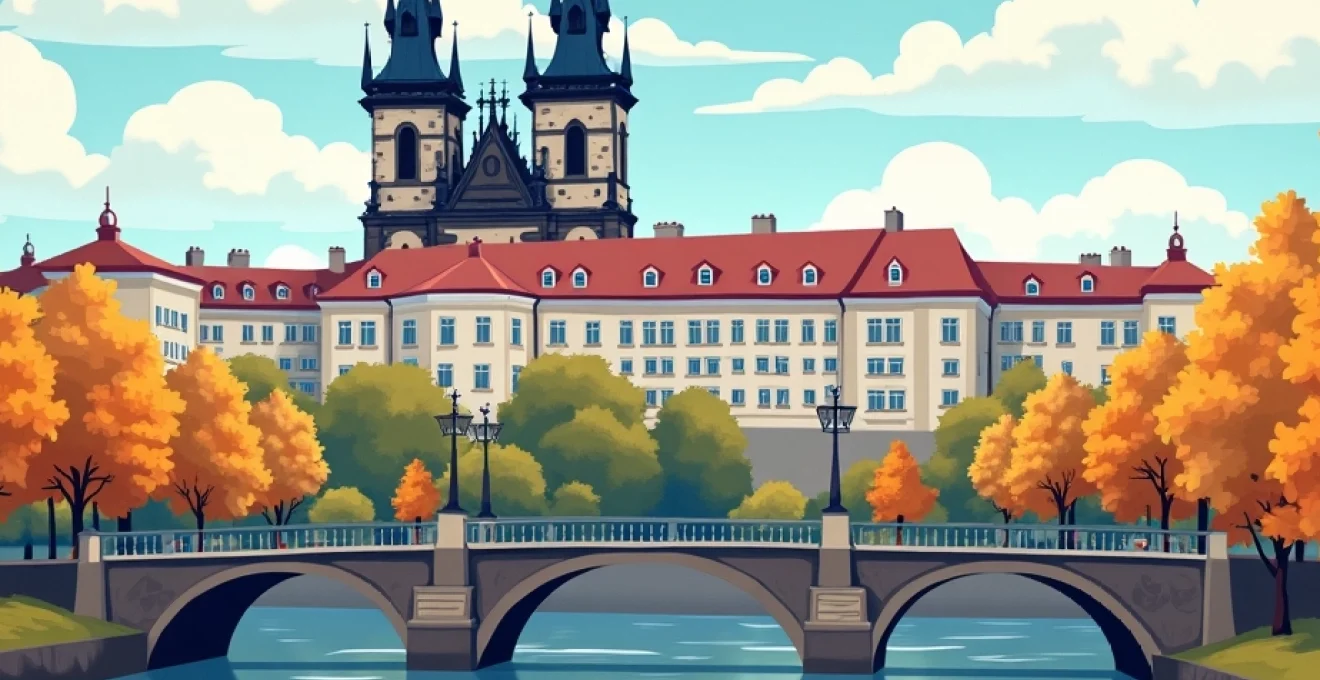
Prague, the enchanting capital of the Czech Republic, captivates visitors with its stunning architecture, rich history, and vibrant culture. The city’s allure changes with the seasons, offering unique experiences throughout the year. Understanding Prague’s weather patterns is crucial for planning the perfect visit, whether you’re drawn to snow-dusted spires in winter or sun-drenched beer gardens in summer. Let’s explore the city’s climate and discover the best times to experience Prague’s myriad charms.
Seasonal climate patterns in prague
Prague experiences a temperate continental climate, characterized by distinct seasons. The city’s weather is influenced by its location in Central Europe, nestled in the Vltava River valley. This geographical position creates a microclimate that can sometimes differ from the surrounding regions.
Summers are generally warm and pleasant, while winters can be cold and occasionally snowy. Spring and autumn offer milder temperatures and stunning natural beauty as the city’s parks and gardens transform. Rainfall is fairly evenly distributed throughout the year, with slight peaks in summer months.
Understanding these patterns can help you pack appropriately and plan activities that align with the weather conditions you’re likely to encounter during your visit. Let’s delve deeper into each season to uncover the unique attributes and opportunities they present.
Winter in prague: december to february
Winter in Prague is a magical time, transforming the city into a snow-globe-like scene. The cold weather brings a special charm to the cobblestone streets and Gothic architecture, creating postcard-perfect vistas at every turn. However, it’s important to be prepared for the chilly temperatures and occasional snowfall.
Average temperatures and snowfall rates
During the winter months, Prague experiences its coldest temperatures of the year. December sees average highs of 2°C (36°F) and lows of -2°C (28°F). January, typically the coldest month, can dip to average lows of -4°C (25°F), with highs rarely exceeding 1°C (34°F). February shows a slight warming trend, with average temperatures ranging from -3°C to 3°C (27°F to 37°F).
Snowfall in Prague is relatively moderate, with an average of 20-30 cm (8-12 inches) accumulating throughout the winter season. However, heavy snowfalls can occur, particularly in January and February, adding to the city’s winter wonderland appeal.
Christmas markets and new year’s celebrations
The cold weather is offset by the warmth of Prague’s festive atmosphere. The city comes alive with Christmas markets , most notably in Old Town Square and Wenceslas Square. These markets, running from late November through early January, offer a delightful array of traditional Czech crafts, food, and mulled wine.
New Year’s Eve in Prague is a spectacular affair, with fireworks illuminating the night sky over the Vltava River. The Charles Bridge and Prague Castle provide stunning backdrops for the celebrations, drawing thousands of revelers from around the world.
Winter activities: ice skating at ovocný trh
Embrace the winter chill with outdoor activities unique to the season. Ice skating is particularly popular, with rinks popping up across the city. One of the most charming is located at Ovocný trh, in the heart of Old Town. Here, you can glide on the ice with the beautiful Baroque architecture as your backdrop.
Winter in Prague offers a unique blend of frosty beauty and warm hospitality, making it an unforgettable experience for those willing to brave the cold.
Spring awakening: march to may
As winter’s grip loosens, Prague bursts into life with the arrival of spring. This season of renewal brings milder temperatures, blooming flowers, and a host of cultural events that make it an excellent time to visit the city.
Prague spring festival and cultural events
The Prague Spring International Music Festival is the crown jewel of the city’s spring calendar. Running from mid-May to early June, this prestigious event attracts world-class musicians and orchestras, offering a feast for classical music lovers. Concerts are held in various historic venues across the city, including the stunning Rudolfinum.
In addition to the music festival, spring sees a flurry of cultural activities. The Prague Easter Markets, typically held in Old Town Square and Wenceslas Square, showcase traditional Czech handicrafts, food, and Easter egg decorating demonstrations.
Blooming gardens in petřín and průhonice park
Spring is the perfect time to explore Prague’s many parks and gardens. Petřín Hill, easily accessible by funicular, offers breathtaking views of the city and boasts beautiful orchards that burst into bloom in April and May. The Rosa Kinských garden at the foot of Petřín is particularly lovely, with its collection of rare rose varieties.
For a truly spectacular display of spring flowers, venture to Průhonice Park, located just outside Prague. This UNESCO World Heritage site is renowned for its extensive collection of rhododendrons and azaleas, which create a riot of color in late spring.
Easter markets and traditions
Easter is an important holiday in the Czech Republic, and Prague’s Easter markets are a delightful way to experience local traditions. These markets, typically held in Old Town Square and Wenceslas Square, offer traditional Czech Easter eggs, handicrafts, and seasonal treats like mazanec (a sweet bread) and beránek (lamb-shaped cake).
Visitors can also witness or participate in Czech Easter customs, such as the decorating of kraslice (intricately painted eggs) or the playful tradition of pomlázka , where boys symbolically whip girls with willow branches to ensure good health and beauty for the coming year.
Summer heat and tourism peak: june to august
Summer in Prague brings long, sunny days and a vibrant atmosphere as the city reaches its tourism peak. While the influx of visitors can lead to crowded attractions, the warm weather opens up a world of outdoor activities and events.
Temperature ranges and rainfall patterns
Prague’s summers are generally warm and pleasant, with average temperatures ranging from 16°C to 25°C (61°F to 77°F). July is typically the hottest month, with daytime highs occasionally reaching 30°C (86°F) or more. However, heatwaves have become more frequent in recent years, with temperatures sometimes soaring above 35°C (95°F).
Summer is also the wettest season in Prague, with June seeing the highest average rainfall. However, showers are often brief and followed by clear skies. It’s wise to pack a light raincoat or umbrella, even on seemingly sunny days.
Prague fringe festival and Open-Air concerts
The cultural calendar is packed during summer months. The Prague Fringe Festival, held annually in late May and early June, brings a diverse array of theatre, comedy, and music performances to intimate venues across the city. It’s an excellent opportunity to experience cutting-edge performances in unique settings.
Open-air concerts become a regular feature of Prague’s summer nights. The Prague Proms , running from late June through July, offers a series of concerts spanning various genres from classical to jazz. Many of these performances take place in stunning outdoor venues, allowing you to enjoy music under the stars.
River activities on the vltava
The Vltava River becomes a hub of activity during summer. Boat tours offer a unique perspective on the city’s landmarks, while paddle boats are available for rent, allowing you to explore the river at your own pace. The riverside also comes alive with pop-up bars and food stalls, creating a festive atmosphere.
Summer in Prague is a time of endless possibilities, from cultural festivals to leisurely days by the river. Just be prepared for crowds and occasional heat waves.
Autumn colours: september to november
Autumn in Prague is a season of golden light and rich hues, as the city’s many parks and gardens transform into a tapestry of warm colors. The cooler temperatures and smaller crowds make it an ideal time for exploring the city’s outdoor spaces and cultural offerings.
Prague autumn international music festival
The Prague Autumn International Music Festival is a highlight of the city’s cultural calendar. Running from early September to late November, this prestigious event features world-class orchestras, chamber ensembles, and soloists performing in some of Prague’s most beautiful venues. The festival offers a diverse program ranging from classical masterpieces to contemporary compositions.
In addition to concerts, the festival often includes lectures, workshops, and masterclasses, providing opportunities for deeper engagement with the musical world. Attending a performance during this festival can be a truly memorable part of your autumn visit to Prague.
Foliage in stromovka and letná parks
Prague’s parks are at their most beautiful in autumn, as the leaves turn vibrant shades of red, orange, and gold. Stromovka, the city’s largest park, is particularly stunning at this time of year. Its expansive lawns and tree-lined paths offer perfect spots for autumn picnics or leisurely walks.
Letná Park, perched on a hill overlooking the Vltava River, provides breathtaking views of the city’s spires and bridges framed by autumn foliage. The park’s beer garden remains open into the early autumn, allowing you to enjoy the scenery with a pivo (beer) in hand.
Wine harvest celebrations in prague vineyards
While the Czech Republic is renowned for its beer, autumn is the perfect time to explore its lesser-known wine culture. The vinobraní , or wine harvest festivals, take place in September and early October, celebrating the year’s grape harvest.
Several small vineyards within Prague host these celebrations, including the picturesque St. Wenceslas Vineyard at Prague Castle and the Grébovka Vineyard in Vinohrady. These events offer the chance to taste local wines, enjoy traditional food, and often feature live music and folk performances.
Microclimates within prague’s districts
Prague’s varied topography and urban layout create distinct microclimates across different areas of the city. These localized weather patterns can result in noticeable temperature and precipitation differences between districts, sometimes affecting your experience as you move through the city.
The Vltava River valley, where much of the historic center is located, tends to be slightly warmer and more humid than surrounding areas. In summer, this can create a “heat island” effect, with temperatures a few degrees higher than in the outskirts.
Conversely, hilly areas like Petřín and Letná can be cooler and windier. These elevated spots often offer relief from summer heat but may feel chillier in winter. The extensive green spaces in these areas also contribute to localized cooling effects.
Understanding these microclimates can help you plan your daily activities and dress appropriately as you explore different parts of Prague. For instance, you might choose to visit higher-elevation parks on hot summer afternoons or stick to the sheltered streets of the Old Town on windy autumn days.
Climate change impact on prague’s weather patterns
Like many cities worldwide, Prague is experiencing the effects of climate change, which are gradually altering its traditional weather patterns. These changes have implications for both residents and visitors, potentially affecting the best times to visit and the types of experiences available.
One notable trend is the increasing frequency and intensity of heatwaves during summer months. Days with temperatures exceeding 30°C (86°F) have become more common, sometimes stretching for weeks at a time. This can make outdoor sightseeing challenging and increases the importance of finding cool, shaded areas or indoor attractions during peak afternoon hours.
Winters, on the other hand, have been becoming milder on average. While this can make winter visits more comfortable for some travelers, it has also led to less predictable snowfall. The picturesque snow-covered scenes that Prague is famous for in winter are becoming less frequent, though they can still occur, particularly in January and February.
Rainfall patterns are also changing, with a trend towards more intense but less frequent rain events. This can lead to periods of drought interspersed with heavy downpours, potentially affecting river levels and outdoor activities.
These evolving patterns underscore the importance of checking recent weather trends and forecasts when planning your visit to Prague. They also highlight the value of flexibility in your itinerary, allowing you to adapt to changing conditions and make the most of your time in this beautiful city, regardless of the weather.