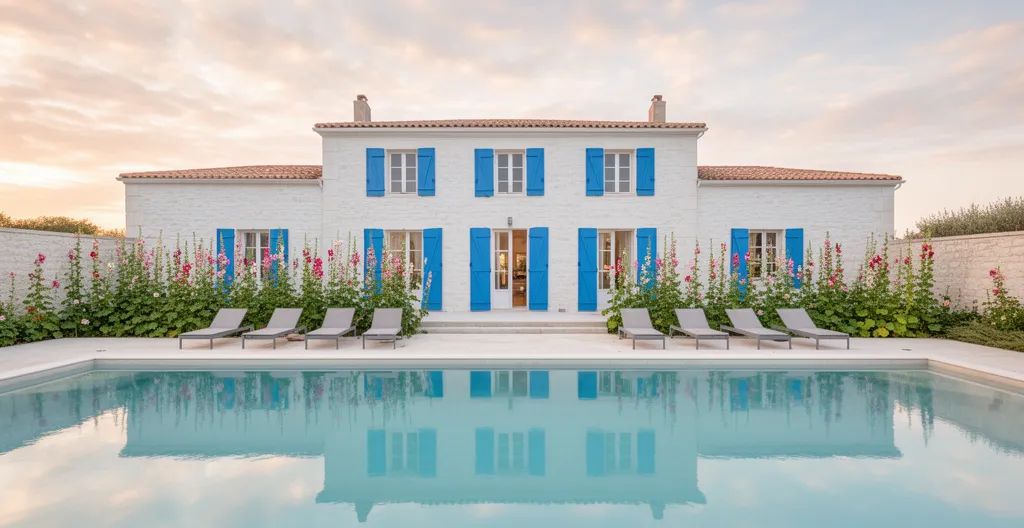
You’ve scrolled through hundreds of listings. They blur together. This villa has a pool. That one mentions “charming character.” A third promises “beach proximity” without specifying whether that means five minutes or fifty.
Île de Ré does something to visitors that few French destinations manage. The light here feels different—softer, somehow more forgiving. Whitewashed villages connected by flat cycling paths through salt marshes. Hollyhocks spilling over garden walls. The satisfying crunch of oyster shells underfoot at harbourside restaurants.
But here’s what the brochures skip: not every village suits every traveller. Book the wrong location and your romantic escape becomes a parking battle. Choose poorly on timing and you’ll pay premium rates for a property that underwhelms. I’ve watched this happen too many times. This guide exists so it doesn’t happen to you.
Your Île de Ré villa search in 30 seconds
- Weekly rates span €1,500 to €7,000+ depending on size, location, and season
- Book 4-6 months ahead for July-August availability at desirable properties
- La Flotte and Le Bois-Plage work best for families; Les Portes-en-Ré for seclusion seekers
- Bridge toll: €16 return in high season, €8 mid-season, €4 in winter
- A pool matters less here than you’d think—beaches are never far
What you’ll find in this guide
Why Île de Ré draws luxury travellers (and what to expect)
The island sits off La Rochelle on France’s Atlantic coast, connected by a 2.9-kilometre bridge that costs €16 return in high season according to official 2025 bridge toll rates. That toll serves a purpose beyond revenue—it keeps the island from being overrun, preserving the atmosphere that draws visitors in the first place.
What makes this place different from Provence or the Côte d’Azur? The pace. No one rushes here. Mornings start with a cycle to the boulangerie. Afternoons drift between beach and pool. Evenings involve seafood platters at harbour restaurants where staff remember your name by day three. The Atlantic climate means cooler summers than the Mediterranean—rarely unbearable, always with a breeze.
138km
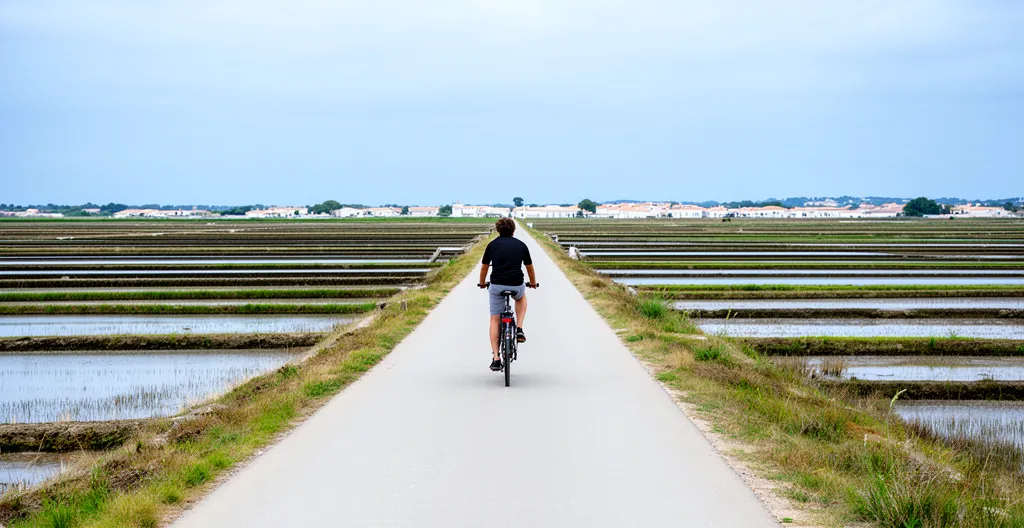
Network of cycling paths connecting all ten villages across the island
The 138 kilometres of cycling paths according to official data from the Communauté de Communes make cars almost unnecessary once you’ve arrived. Villages sit maximum seven kilometres apart. Children cycle independently. Parents relax. I’ve seen families who barely touched their rental car all fortnight.
Luxury here doesn’t mean flashy. You won’t find gleaming modern developments or infinity pools overlooking marinas. Rétais luxury means thick stone walls that stay cool in August. Private courtyards shaded by fig trees. Outdoor showers after beach returns. Properties that feel like they’ve belonged to a discerning French family for generations—because often they have.
Matching your villa to the right village
The island spans ten communes, but only four or five realistically suit luxury villa seekers. Skip the others—they’re lovely for day trips but lack the rental stock or atmosphere you’re after. Let me save you the research.
Which village suits your escape?
-
Seeking harbour buzz and restaurants:
Saint-Martin-de-Ré—but book off-season for tranquillity
-
Family with children, beach priority:
Le Bois-Plage-en-Ré or La Flotte—widest beaches, safest cycling
-
Romantic seclusion, nature focus:
Les Portes-en-Ré—quietest village, nature reserve access
-
First visit, balanced experience:
La Flotte—everything within reach without overwhelming
La Flotte and Le Bois-Plage: the sweet spot for families
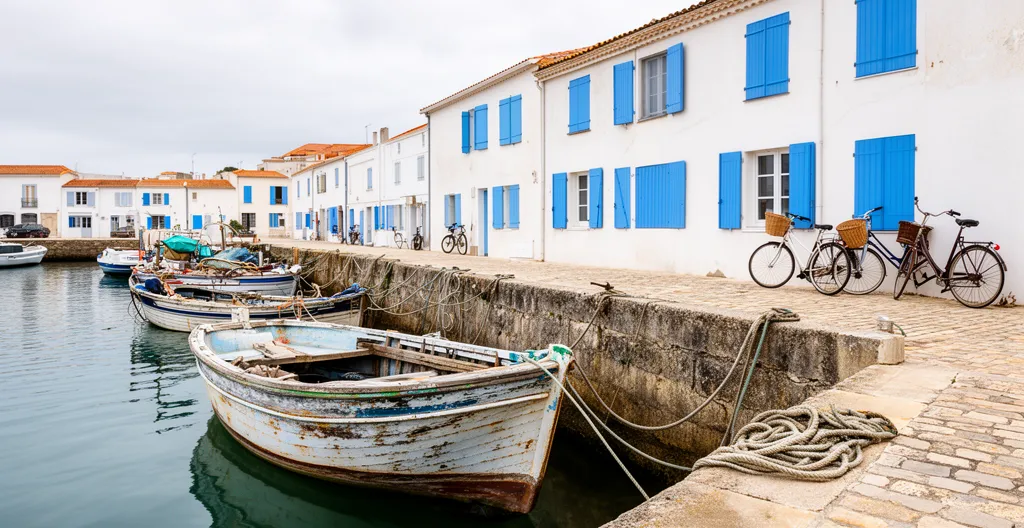
For first-timers seeking the quintessential Île de Ré experience, I always suggest starting your search in La Flotte. The village holds official Plus Beaux Villages de France classification—and it earns that status. A curved jetty extending 200 metres into the harbour. Whitewashed houses with green and blue shutters. Morning market three times weekly. Restaurants where the catch changes daily.
Le Bois-Plage sits just north, offering the island’s longest uninterrupted beach stretches. Wine estates dot the inland areas. Families spread out here without feeling cramped. Neither village overwhelms—you’ll find enough restaurants without tourist-trap pricing, enough shops without commercial overkill.
Finding comfortable accommodations for your experience matters enormously when travelling with children. These two villages deliver space without isolation.
Saint-Martin-de-Ré: harbour charm with a caveat
The island’s most photographed village. UNESCO-listed Vauban fortifications. Harbour cafés spilling onto cobblestones. Ice cream queues. Art galleries. It’s beautiful. It’s also busy.
Booking caution for Saint-Martin: From conversations with travellers I’ve advised, one recurring mistake is booking a Saint-Martin villa expecting seclusion in high summer. The harbour buzzes with day-trippers, parking becomes a genuine challenge, and the intimate atmosphere vanishes beneath crowds. If tranquillity matters, consider Les Portes-en-Ré or Ars-en-Ré instead. Off-season, Saint-Martin regains its peaceful allure—September onwards transforms the experience entirely.
Does this mean avoid Saint-Martin? Not at all. For couples who want evening atmosphere—restaurants open late, wine bars with harbour views, morning croissant runs past historic ramparts—it delivers magnificently. Just calibrate expectations to reality.
Les Portes-en-Ré: seclusion at the island’s tip
The northern tip. Furthest from the bridge. Fewest visitors. Properties here back onto the Lilleau des Niges nature reserve—birdwatchers’ territory. Beaches empty by late afternoon. The village itself offers essentials: bakery, a couple of restaurants, quiet evenings under starlit skies.
Couples seeking romance gravitate here. So do families wanting digital detox. The trade-off? Everything requires slightly more effort. The closest substantial shopping sits twenty minutes by bicycle. That suits some visitors perfectly. Others find it isolating by day four.
The comparison below captures what I’ve observed across dozens of booking conversations:
| Village | Best for | Beach walk | Evening vibe | Parking ease |
|---|---|---|---|---|
| La Flotte | First-timers, families | 5-10 mins | Lively but manageable | Moderate |
| Le Bois-Plage | Beach families, cyclists | Under 5 mins | Relaxed, early closures | Good |
| Saint-Martin | Couples, foodies | 10-15 mins | Buzzing until late | Difficult July-Aug |
| Les Portes | Seclusion seekers | Variable | Very quiet | Excellent |
What separates a good villa from a great one
I think of David and Claire—a couple from Surrey I advised last year. First visit to the island, seeking a romantic escape. They’d initially fixated on a large property because it photographed beautifully. Six bedrooms. Impressive pool. Problem: it was designed for extended families, not intimacy. Clinical white interiors. Echoey spaces. We redirected their search toward a boutique four-guest villa in La Flotte with a courtyard garden and original stone features. They’ve already rebooked for next September.
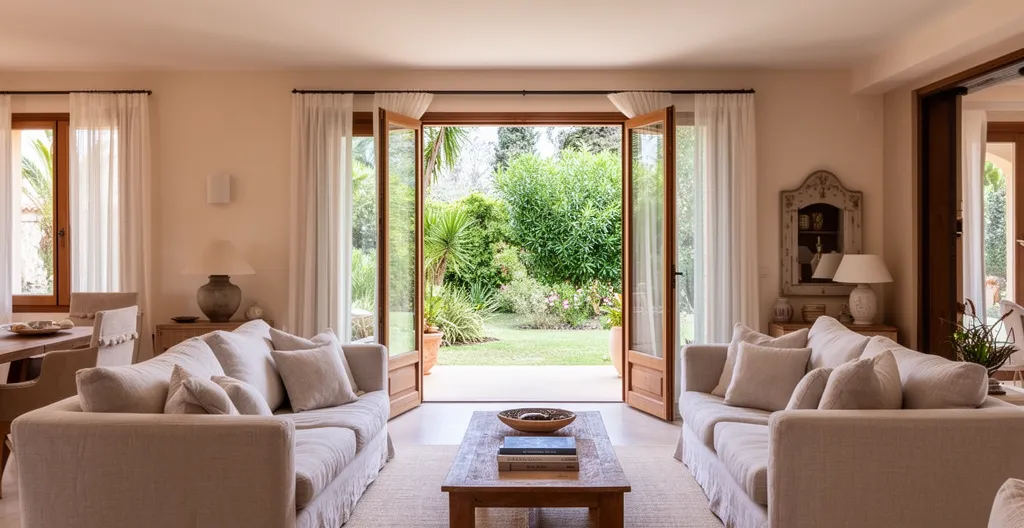
The mistake I see most frequently? Prioritising features over feel. A heated pool sounds essential until you realise the beach sits three minutes away and Atlantic water temperatures in August prove surprisingly swimmable. Five en-suite bathrooms impress until you notice the property lacks outdoor dining space—the feature that actually defines summer evenings here.
When browsing listings on platforms like travelparadise.fr, look beyond headline amenities. Study the photos for clues about light, outdoor space, and authentic character. Request additional images if the listing relies on wide-angle shots that distort room proportions.
8 questions before you book
-
Does the outdoor space receive evening shade, or will sunset dining require relocation indoors? -
What’s the actual walking distance to the nearest beach or village centre? -
Are bicycles included, or is rental arranged separately? -
Is the pool heated, and if so, to what temperature and at what cost? -
What’s included in the final price—cleaning, linens, tourist tax? -
Can the owner provide references from previous guests? -
Is air conditioning fitted, or does the property rely on natural ventilation? -
What’s the cancellation policy, and is the deposit refundable under any circumstances?
This list isn’t exhaustive—verify details with your specific agency or owner. But these questions surface the information that separates genuinely special properties from marketed averages.
Your questions about Île de Ré villa rentals
Travellers I’ve advised often raise the same concerns. Here’s what you actually need to know.
When should I book for summer availability?
Four to six months ahead for July-August at desirable properties. January bookings for summer aren’t excessive—prime villas in La Flotte or Le Bois-Plage can fill by March. If flexibility allows, late June or early September offers easier availability with similar weather and lower rates.
Are villa prices negotiable in low season?
Sometimes. Owners and agencies have more flexibility November through March when demand drops. A polite enquiry about extended-stay discounts or off-peak reductions rarely offends. Don’t expect miracles—but 10-15% isn’t unusual for three-week bookings in shoulder season.
Is a car essential on Île de Ré?
Useful for arrival day luggage and occasional supermarket runs. Beyond that? Bicycles serve better. According to cycling infrastructure guides from Epic Road Rides, the island offers 100 kilometres of quality traffic-free routes connecting every village. Many families barely use their car after arrival.
What’s included in the rental price?
Varies significantly. Some properties include linens, cleaning, and pool maintenance. Others charge separately for each. Tourist tax typically adds €1-3 per adult per night. Always request a complete cost breakdown before committing—final invoices shouldn’t contain surprises.
Can I bring my dog to a luxury villa?
Some allow pets; others prohibit them entirely. Specify your requirement upfront. Pet-friendly luxury properties exist but represent a smaller pool. Expect potential cleaning supplements. Beach rules vary—dogs are restricted on certain stretches during summer months.
The next step: Rather than bookmarking another dozen listings, narrow your search to one or two villages based on what actually matters for your trip. Then apply the checklist above to three shortlisted properties.
If you’re also weighing Mediterranean options, the best places to stay in the French Riviera offer a different flavour of French luxury—warmer waters, different pace, distinct character. Worth considering if Atlantic breezes don’t call to you.