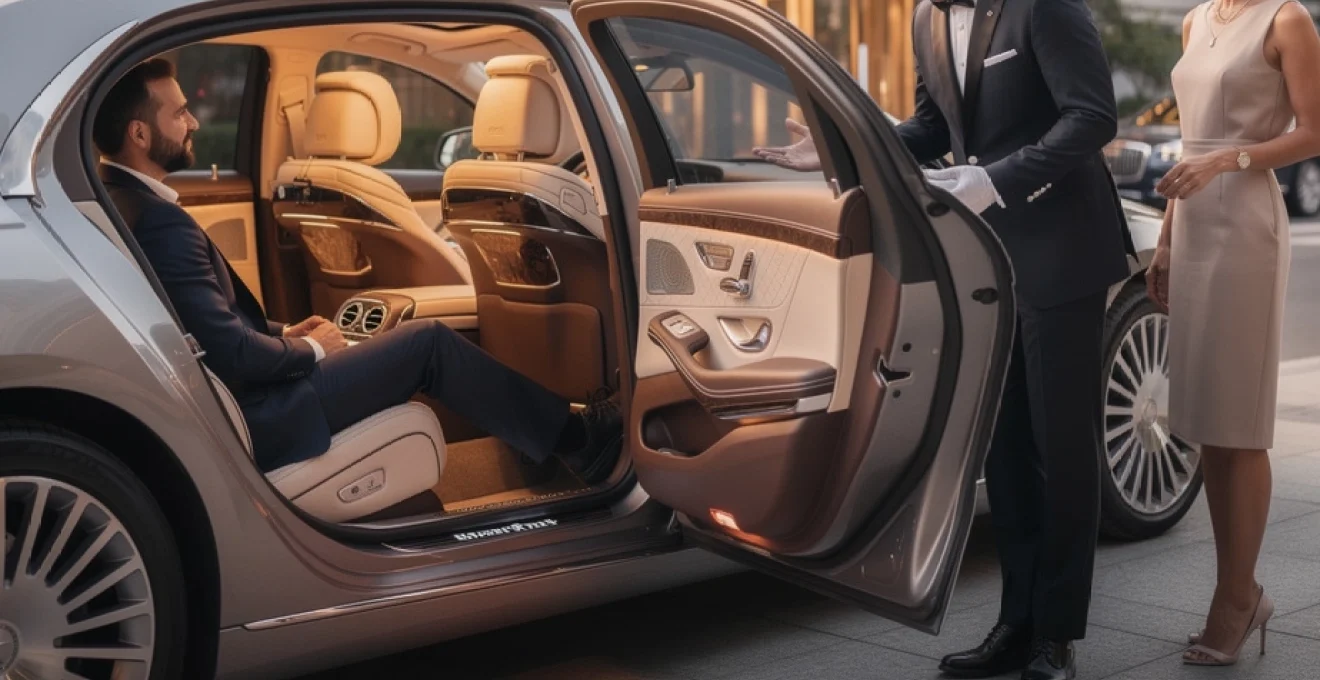
The automotive landscape has evolved dramatically over the past decade, transforming luxury vehicles from mere status symbols into sophisticated technological marvels that redefine the very essence of premium travel. Today’s prestigious automobiles represent the pinnacle of engineering excellence, combining cutting-edge innovation with artisanal craftsmanship to create an unparalleled journey experience. When you step into a truly luxurious vehicle, you enter a realm where every detail has been meticulously designed to enhance comfort, safety, and overall satisfaction. The difference between standard transportation and a prestigious automotive experience extends far beyond superficial appearances, encompassing advanced engineering systems, premium materials, and exclusive services that collectively transform routine travel into extraordinary journeys.
Luxury automotive engineering features that transform journey comfort
Modern luxury vehicles incorporate sophisticated engineering technologies that fundamentally alter how passengers experience motion and comfort during travel. These advanced systems work harmoniously to create an environment where the boundary between the vehicle’s interior and the outside world becomes virtually imperceptible, ensuring that every journey feels effortless and refined.
Advanced suspension systems in Rolls-Royce phantom and Mercedes-Maybach S-Class
The suspension technology found in vehicles like the Rolls-Royce Phantom represents the absolute zenith of automotive engineering sophistication. The Phantom’s self-levelling air suspension system continuously monitors road conditions using advanced sensors, making real-time adjustments to maintain perfect stability and comfort. This system processes data from multiple input sources, including accelerometers and gyroscopic sensors, to predict and counteract potential disturbances before passengers even notice them. The result is a driving experience that feels remarkably similar to floating above the road surface rather than travelling upon it.
Mercedes-Maybach S-Class vehicles employ their revolutionary AIRMATIC suspension system, which utilises adaptive damping technology to provide an exceptionally smooth ride quality. This sophisticated system can automatically adjust suspension firmness based on driving conditions, passenger load, and selected comfort preferences. The technology incorporates predictive intelligence that analyses the road ahead using stereo cameras, allowing the suspension to pre-adjust for upcoming surface irregularities. Such innovation ensures that passengers experience minimal vibration transfer, maintaining conversation comfort and reducing travel fatigue significantly.
Noise cancellation technology integration in bentley continental GT
Bentley’s approach to acoustic comfort in the Continental GT represents a masterclass in sound engineering and passenger experience optimisation. The vehicle incorporates multiple layers of sound deadening materials, including specialised foam compounds and lead-lined panels, to create an exceptionally quiet cabin environment. Beyond passive noise reduction, Bentley integrates active noise cancellation technology that uses strategically placed microphones to detect unwanted sounds and generates counteracting frequencies through the premium audio system.
The acoustic engineering extends to the careful selection and placement of interior materials, with each surface chosen not only for aesthetic appeal but also for its sound-absorbing properties. Double-glazed windows provide additional insulation from external noise, while precision-engineered door seals eliminate wind noise at high speeds. This comprehensive approach to noise control creates an interior environment where passengers can enjoy conversation at whisper levels, even when travelling at motorway speeds.
Climate control zoning capabilities in BMW 7 series and audi A8
The climate control systems found in vehicles like the BMW 7 Series demonstrate how sophisticated environmental management can enhance passenger comfort dramatically. These systems feature individual zone controls that allow each passenger to customise their immediate environment independently. The technology includes not only temperature regulation but also humidity control, air quality monitoring, and even fragrance distribution capabilities.
Audi’s A8 flagship incorporates four-zone automatic climate control with individual temperature, airflow direction, and fan speed adjustments for each seating position. The system utilises solar sensors to compensate for sun exposure differences across the cabin, ensuring consistent comfort regardless of external conditions. Advanced filtration systems remove pollutants, allergens, and unpleasant odours from incoming air, creating a pristine interior atmosphere that rivals the air quality of premium office environments.
Ergonomic seating design innovations in lexus LS and genesis G90
Lexus has revolutionised automotive seating comfort in the LS through their multistage seat construction philosophy, which incorporates insights from aerospace and furniture
design. The seats offer multiple layers of varying-density foam, integrated air bladders, and precise lumbar adjustment to distribute pressure evenly across the body. In practice, this means that even after several hours behind the wheel or in the rear cabin, you arrive feeling noticeably less fatigued than you would in a conventional vehicle. Features such as seat cooling, shiatsu-style massage functions, and power-extendable ottomans in the rear further enhance the sense of travelling in a first-class lounge rather than a car.
The Genesis G90 approaches ergonomic seating with a similarly obsessive focus on human-centred design. Engineers used extensive pressure-mapping studies and medical research on posture to create seats that support the spine’s natural curvature while minimising muscular strain. Rear passengers benefit from “relaxation mode” seat configurations, which automatically adjust backrest angle, leg support, and headrest position to optimise comfort based on journey length. Combined with memory functions, heated armrests, and intuitive seat controls, these innovations ensure that every occupant can find their ideal position with minimal effort, turning long-distance travel into a genuinely restorative experience.
Premium interior craftsmanship and material selection standards
While advanced engineering defines how a prestigious vehicle moves, it is the interior craftsmanship that shapes how it feels to inhabit. Luxury brands invest heavily in premium materials and artisanal techniques that echo the standards of haute couture, fine furniture, and luxury yachting. From hand-stitched leather to rare wood veneers and precious metal details, each element is curated to create a cohesive sensory environment. This meticulous approach goes beyond aesthetics; it influences durability, tactile comfort, and even acoustic behaviour inside the cabin.
When you choose a prestigious vehicle for business travel, special occasions, or high-end chauffeur services, you are effectively selecting a mobile showcase of craftsmanship. The quality of the materials passengers touch and see communicates an immediate message about attention to detail and commitment to excellence. In many ways, the cabin of a luxury car functions like a five-star hotel suite on wheels: it sets expectations, frames first impressions, and subtly reinforces your personal or corporate brand.
Hand-stitched leather techniques from hermès and poltrona frau
Few materials symbolise high-end automotive luxury as powerfully as hand-stitched leather. Prestigious brands often collaborate with renowned leather artisans such as Hermès and Poltrona Frau, whose heritage in saddlery and fine furniture brings a unique level of expertise to car interiors. These specialists source hides from carefully selected tanneries, choosing only a small percentage that meets strict standards for grain consistency, softness, and durability. The result is a leather surface that feels supple to the touch yet resilient enough to withstand years of daily use.
The stitching techniques themselves are a study in craftsmanship. For example, the saddle stitch associated with Hermès is executed entirely by hand, using two needles and a single thread to create a seam that is both visually distinctive and structurally stronger than typical machine stitching. In a prestigious vehicle, these stitches trace the contours of dashboards, seats, and door panels with remarkable precision, transforming functional components into design statements. You can often distinguish a truly luxury cabin by the subtle irregularities and character of hand work, much like you can recognise a bespoke suit compared with off-the-rack tailoring.
Exotic wood veneer applications in jaguar XJ and maserati quattroporte
Exotic wood veneers add a layer of warmth and visual depth that synthetic materials struggle to replicate. In models like the Jaguar XJ and Maserati Quattroporte, artisans carefully select hardwoods such as open-pore oak, zebrano, satin walnut, or high-gloss piano black lacquered wood. Each veneer slice is typically less than a millimetre thick, cut from the same section of timber to allow mirror-matched patterns across dashboard and door surfaces. This bookmatching process creates symmetrical grain flows that subtly guide the eye along the cabin’s design lines.
The application process combines traditional craftsmanship with advanced technology. Veneers are bonded to substrates under heat and pressure, then meticulously sanded, stained, and lacquered in multiple layers. Between coats, surfaces are hand-polished to achieve a deep, almost liquid shine or, in the case of open-pore finishes, a tactile natural texture. Beyond aesthetics, wood acts as a natural sound diffuser, helping to soften echoes and contribute to the cocoon-like ambience of a luxury cabin. For passengers, the effect is akin to travelling in a finely crafted yacht salon rather than a typical vehicle interior.
Precious metal accent integration in bugatti chiron interior design
At the very top of the prestige spectrum, manufacturers integrate precious metals into interior design not merely as decoration, but as a statement of uncompromising luxury. The Bugatti Chiron provides a benchmark example: switchgear, badges, and control surfaces can incorporate aluminium, titanium, real silver, or even gold-plated finishes. These materials are chosen for their visual impact, tactile coolness, and long-term resistance to wear, ensuring that frequently touched components age gracefully instead of deteriorating over time.
The integration process demands extreme precision. Machined metal knobs and levers must offer a perfect balance of weight and feedback, similar to the feeling of closing a high-end mechanical watch clasp. In some bespoke commissions, logos and monograms are laser-engraved or hand-etched into metal surfaces, offering personalisation levels that rival fine jewellery. When you run your fingers over these cold, perfectly finished edges, you experience an immediate sense of permanence and quality that reinforces the perception that this is more than transportation; it is a collectible object of design.
Custom embroidery and personalisation options in ferrari roma
Personalisation is a defining aspect of modern prestige vehicles, and the Ferrari Roma exemplifies this through extensive embroidery and bespoke trim options. Clients can select from a broad palette of thread colours, stitching patterns, and placement zones to create unique seatbacks, headrests, and floor mats. Monograms, crests, or even discrete corporate insignias can be embroidered into the upholstery, turning the cabin into a tailored environment that reflects individual identity or brand messaging.
Beyond embroidery, Ferrari’s customisation programmes allow you to specify contrasting stitching, piping, and colour-blocking that highlight the car’s sculptural surfaces. The process often involves direct consultation with design specialists who help balance aesthetic ambition with long-term usability and resale considerations. In practice, this means you can create a one-of-a-kind interior that still feels harmonious and timeless rather than over-personalised. When a client or guest steps into such a bespoke environment, the attention to detail sends a powerful signal that their journey has been curated, not simply arranged.
Advanced driver assistance systems and safety technology
Prestigious vehicles do more than look and feel exceptional; they also integrate some of the most sophisticated safety technologies available on the market. Advanced driver assistance systems (ADAS) combine sensors, cameras, radar, and increasingly lidar to monitor the surrounding environment in real time. In many flagship models, these systems can anticipate potential hazards and intervene far faster than a human driver could, significantly reducing the risk of collisions and near-misses. For travellers, especially on unfamiliar routes or during long days of meetings and events, this translates into a calmer, more secure experience.
Modern luxury cars routinely offer adaptive cruise control with stop-and-go capability, lane keeping assist, and automated emergency braking. Some models go further with semi-autonomous driving modes that can manage steering, acceleration, and braking on motorways under certain conditions. While these technologies are not a substitute for an attentive driver, they function as an intelligent co-pilot that reduces cognitive load and stress. If you are being chauffeured, they add another invisible layer of protection, ensuring that your driver benefits from the very latest accident-avoidance support.
In addition to active safety systems, prestigious vehicles typically incorporate robust passive safety structures and features. Multi-chamber airbags, reinforced passenger cells, and advanced crumple zones are engineered to manage impact forces more effectively than in mainstream models. Night vision systems, cross-traffic alerts, and 360-degree camera arrays provide enhanced situational awareness, particularly valuable in dense urban environments or poorly lit areas. It is not an exaggeration to say that choosing a high-end vehicle for critical journeys can be as much a decision about safety as about comfort or status.
Exclusive brand heritage impact on travel prestige
The emotional impact of travelling in a prestigious vehicle is strongly shaped by brand heritage. Names like Rolls-Royce, Bentley, Ferrari, and Mercedes-Maybach carry decades—sometimes over a century—of association with royalty, heads of state, film icons, and business leaders. When you arrive at a hotel, event venue, or corporate headquarters in such a car, you are subtly tapping into that accumulated narrative. The vehicle becomes a visual shorthand for success, discernment, and stability, much like a renowned luxury watch or a historic fashion house’s logo.
This heritage is not just marketing mythology; it often stems from real engineering and design milestones. Brands with long histories in motorsport, coachbuilding, or aviation-inspired innovation bring that pedigree into their modern line-ups. When you select a prestigious car for an important meeting or client transfer, you are aligning yourself with a legacy of performance and excellence that can influence first impressions before you even step out of the vehicle. In competitive professional contexts, these details can play a subtle yet meaningful role in how you and your organisation are perceived.
From a personal perspective, travelling in a vehicle with deep heritage can also transform how you experience the journey itself. Knowing that the emblem on the bonnet has been present at historic races, royal processions, or landmark product launches can make a simple airport transfer feel more memorable. It is similar to staying in a storied grand hotel rather than a generic business chain: the stories embedded in the walls—or in this case, the badge—add an intangible richness to the overall experience. For many owners and renters, this emotional connection is a key reason they return to the same prestigious brands again and again.
Concierge services and VIP treatment protocols
Prestige in automotive travel is no longer limited to the vehicle itself; it increasingly extends to the ecosystem of services wrapped around your journey. Many luxury car makers and high-end chauffeur companies offer concierge-style support that mirrors the standards of five-star hotels. This can include coordinated airport pickups with flight tracking, personalised route planning that avoids congestion, and onboard amenities tailored to your preferences—from specific beverages and reading materials to chosen music playlists. By handling these details proactively, service providers ensure that you can focus on your meeting, event, or leisure plans rather than logistics.
VIP treatment protocols also play a crucial role in elevating the overall travel experience. Professional chauffeurs are often trained in discreet service etiquette, security awareness, and cultural sensitivity, enabling them to adapt to the needs of business executives, celebrities, or high-profile guests. Door-to-door assistance, luggage management, and coordination with venue staff create a seamless transition between vehicle and destination. Have you ever noticed how a well-timed door opening or a smoothly managed arrival lane can change the tone of an entire evening? These small, choreographed moments are the visible tip of a carefully designed service culture.
For organisations, leveraging premium concierge services and VIP protocols can deliver tangible benefits. Clients and partners who are collected in a prestigious vehicle, greeted by name, and transported in comfort are far more likely to associate your brand with professionalism and care. On a practical level, reliable scheduling, real-time updates, and priority support reduce the risk of delays or disruptions, which is particularly valuable when managing tight itineraries or multi-city events. Ultimately, combining an exceptional vehicle with world-class service creates an integrated luxury travel experience—one where every stage of the journey, from booking to drop-off, reinforces a sense of confidence, comfort, and prestige.